SCP Ragdoll Broken Bones Guide
Turn heavy impacts into repeatable bone-break moments inside your solo SCP Ragdoll instance.
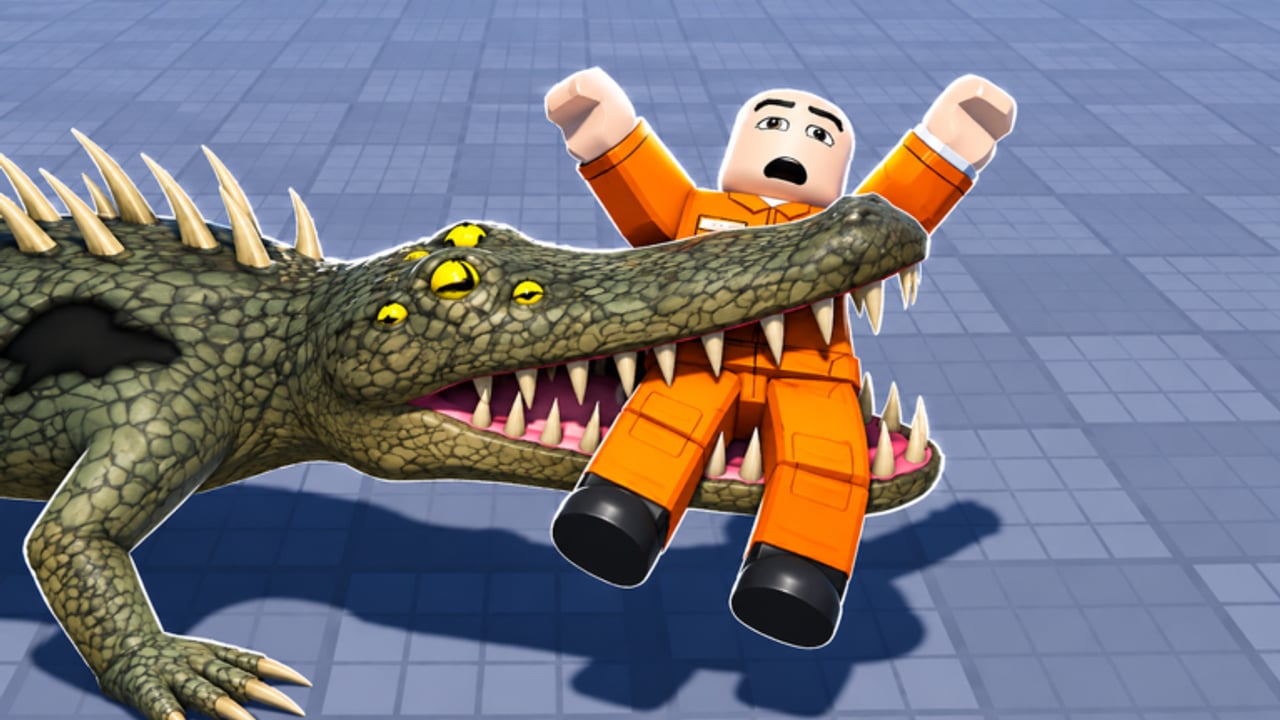
The official SCP Ragdoll description calls out a simple promise: heavy impacts and falls can cause broken bones. That single sentence is why many players open the place. This guide turns the promise into a lab method — how to stage falls, read crawls, compare tools, and film breaks that look intentional instead of random.
Prerequisites: comfortable movement from Controls and a short map scout from Maps and environments. Pair this page with Physics experiments when you want full A/B test sheets.
What “broken bones” means in this sandbox
In SCP Ragdoll, a break is a state change after enough force: limbs stop supporting weight, the dummy crawls or collapses differently, and the recovery animation tells the joke. You are not farming RPG stats. You are teaching yourself which heights, surfaces, and tools cross the threshold reliably.
Treat every attempt as a question:
- Did this ledge height break a leg on three of five throws?
- Did the same height with a soft landing fail?
- Did a blunt tool finish what a short drop started?
Write the answers down. Memory lies after twenty chaotic flops.
Fall-first method (recommended for beginners)
Falls teach thresholds better than tool spam. Use this sequence on one map for fifteen minutes:
- Pick a named ledge you can find again (roof edge, balcony, scaffold).
- Place or drag a dummy to the edge with a clear camera angle.
- Drop from the same spot five times without changing tools.
- Note crawl vs full collapse vs “stood it off.”
- Move one step higher or lower and repeat.
That ladder of heights becomes your personal break chart for that map. Later, when UPD2 retunes mass or joints, you re-run the same ledge and see what changed — see UPD2 notes.
Surfaces and landings
Not every floor hits the same. Hard plaza tiles, stairs, railings, and cluttered props can amplify or absorb force. When a drop “should” break but does not:
- Check whether the dummy clipped a soft prop mid-fall
- Confirm the camera did not hide a bounce off a railing
- Reset the subject — leftover ragdoll state can skew the next trial
Map archetypes that reward break practice:
| Goal | Prefer | Avoid early |
|---|---|---|
| Clean vertical drops | Open atriums, rooftops | Dense prop piles |
| Stair comedy | Long stairwells | Tiny three-step props |
| Tool + fall finish | Plaza near a ledge | Closets |
More layout theory lives on Maps and environments and rankings on the Maps tier list.
Tools that finish breaks
Once you know a ledge’s baseline, layer tools from Weapons and tools:
- Hands / grabs — control entry angle before the drop
- Blunt impacts — add force on already-weakened limbs
- Tasers — great for flops, weaker as pure break teachers; use them as punchlines after a fall (see Zombies and tasers)
Fair test rule: change one variable per five-throw set. If you change height and tool together, you learn nothing about either.
Reading the crawl
The second half of a good break is the crawl. Filmmakers and clip hunters care about:
- Which limb drags
- How long recovery takes
- Whether a second nudge prolongs the joke
Practice a “do nothing” beat after every successful break. Count to three before you grab again. That pause is where the physics sells the fantasy of a damaged body.
Solo clip recipe (broken bones)
- Scout a ledge with Maps notes
- Warm up three identical drops
- Film two keepers with different camera distances
- Optional act two: taser or zombie kite into a second fall
- Label the file with the UPD tag and ledge name
Session templates that fit this recipe sit on Solo session tips and the Players Hub.
Troubleshooting inconsistent breaks
- Never breaks — climb higher, clear mid-fall props, or add a blunt finish after a medium drop
- Always soft-ragdolls without a clear break feel — try a harder floor or a cleaner vertical path
- Breaks once then never again — reset the dummy fully between trials
- Looks great live, bad on recording — widen FOV slightly and lock a side angle before the drop
Practice block (20 minutes)
- Five identical drops from ledge A
- Five from ledge A + one step higher
- Five with the same height plus one blunt tool
- Two filmed keepers
- Notes into your Tools checklist and a quick rank update on the Weapons tier list
Stay aligned with the live build
Broken-bone thresholds can shift when the group ships UPD-tagged physics tweaks. After any patch day:
- Rejoin a fresh instance
- Re-run your favorite named ledge once
- Compare notes to yesterday
- Skim Updates and UPD2 notes
Related pages
Frequently Asked Questions
Quick answers about SCP Ragdoll codes, physics, maps, and tools.
Do falls break bones more reliably than tasers?
Usually yes for teaching thresholds. Tasers shine as timing punchlines after a fall — see Zombies and tasers.
Why do my breaks feel random?
You are changing too many variables. Lock one ledge, five identical drops, then change only height or only tool.
Which maps are best for bone-break practice?
Open atriums and rooftops first. Rank them later on the Maps tier list.
Where do I log experiment results?
Use the printable checklist on Tools and the session templates on Solo session tips.